
Welcome to the very first post of the “What Makes a Word” blog! My goal here is to document my journey through six months of research into understanding a bit about morphology with the ultimate goal of becoming a more knowledgeable, capable, and attentive teacher.
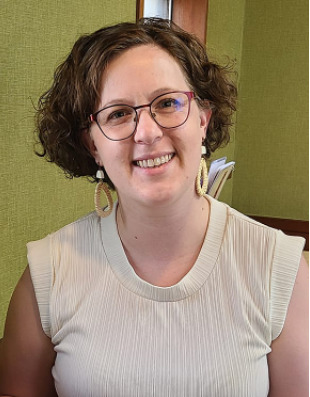
Allow me to introduce myself. My name is Danna Bergantine. I’m a 36-year-old teacher, grad student, fiancée, “dog mom,” Minnesotan, and former expat, among other labels I could stick on myself. I’m glad to have you on this journey with me. Stick around and – who knows? – you might learn a thing or two about the inner life of words. At least that’s what I hope to accomplish!
A bit more context might be necessary, so let me get granular for a moment. As part of a capstone project – the final piece of my three-year pursuit of a Master of Arts in Literacy Education – I am choosing to learn more about the languages of my EL (English Learner) students, and, in particular, what word-formation looks like in those languages.
I began my graduate studies in January 2023 at Hamline University in St. Paul, Minnesota. I’ve enjoyed many engaging and informative experiences along the way, but now I’m positioned toward the end of my studies. Looking back on what topics have truly grabbed me and made me want to go further and dive deeper, I find myself gravitating toward linguistics, language-lover that I am at heart. Although linguistics and literacy are not the same thing, literacy without linguistics is impossible. Understanding how language works is a worthwhile pursuit for any teacher of English and, I would argue, a key part of being able to teach others to be fully literate.
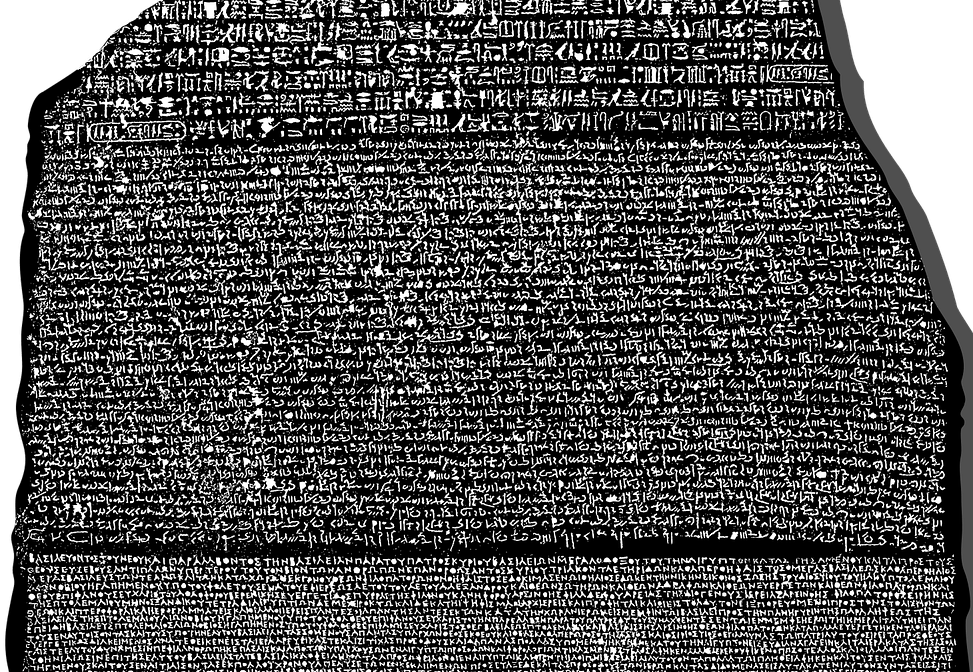
Linguistics is full of subtopics, so why morphology? Simply put, the question of “What is a ‘word’ anyway?” is fascinating to me. I currently teach literacy skills to middle school students, including how to manipulate words into other forms. Did you know that you can take the word “possible” and turn it into “impossible”? Or even “possibly” or “impossibility”! Of course you knew that, but not all of my students do. In particular, this is not always intuitive for my EL students. What’s going through their minds as they grapple with new English words and their many forms? Does English morphology match in any way with the languages they speak at home, the languages that are likely to be first in their hearts and minds? I don’t know. But I’d like to find out.




 What Makes a Word?
Leave a comment